A unified equipment maintenance system for retail chains
ETRY manages equipment maintenance across chains with distributed locations. Tickets, planned maintenance, inspections and settlements with contractors are gathered in one loop, and the condition of every unit is visible across the whole network. The chain, the service company and the field technician all work in one system.
7,786 units of equipment under maintenance across 12 cities
Who ETRY is for
The system fits chains where equipment is spread across dozens of locations rather than concentrated on one site, with a single service function responsible for keeping it running.
Filling stations with retail areas
dispensers, storage tanks, car wash, coffee machines, registers
Supermarkets and hypermarkets
refrigerated display cases, freezer units, ventilation, checkout line
Fast-food chains
ovens, grills, fryers, display cases, extraction hood
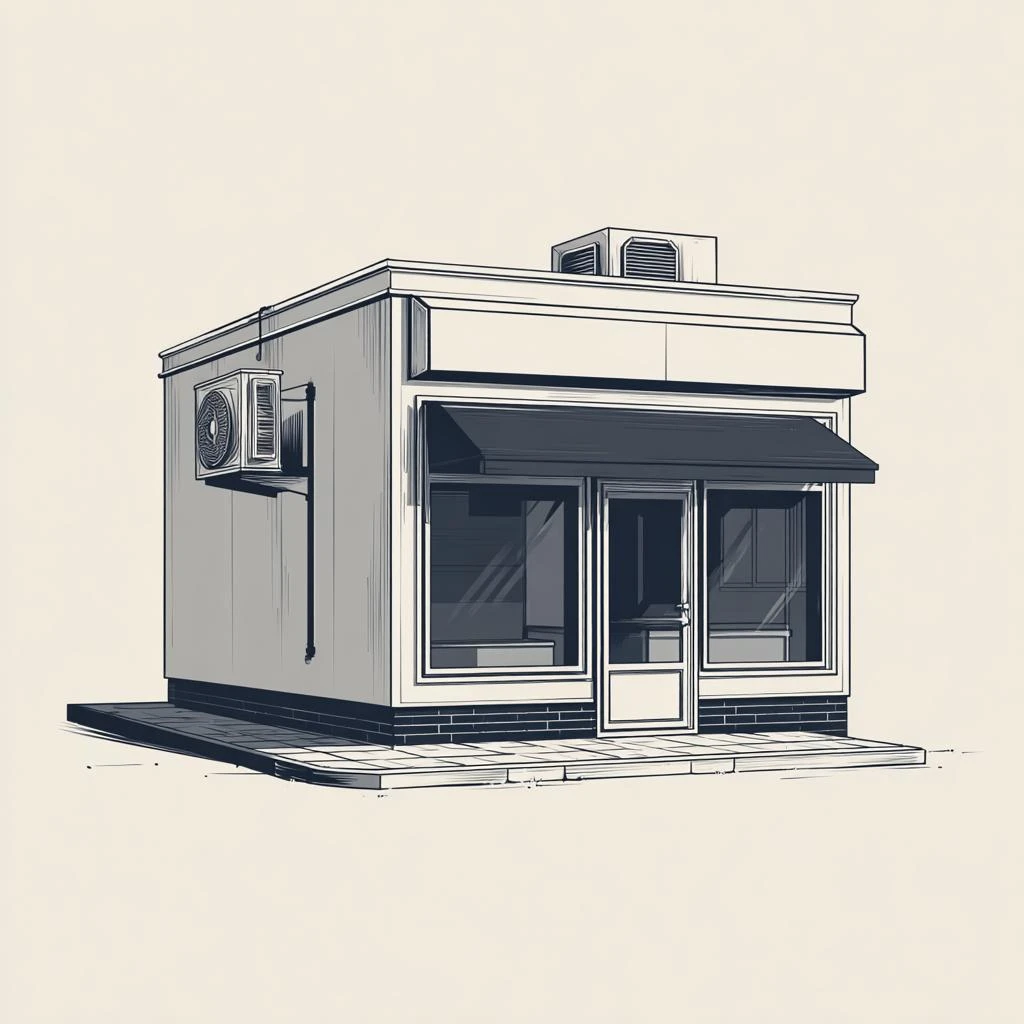
Convenience store chains
refrigerators, air conditioners, lighting, registers
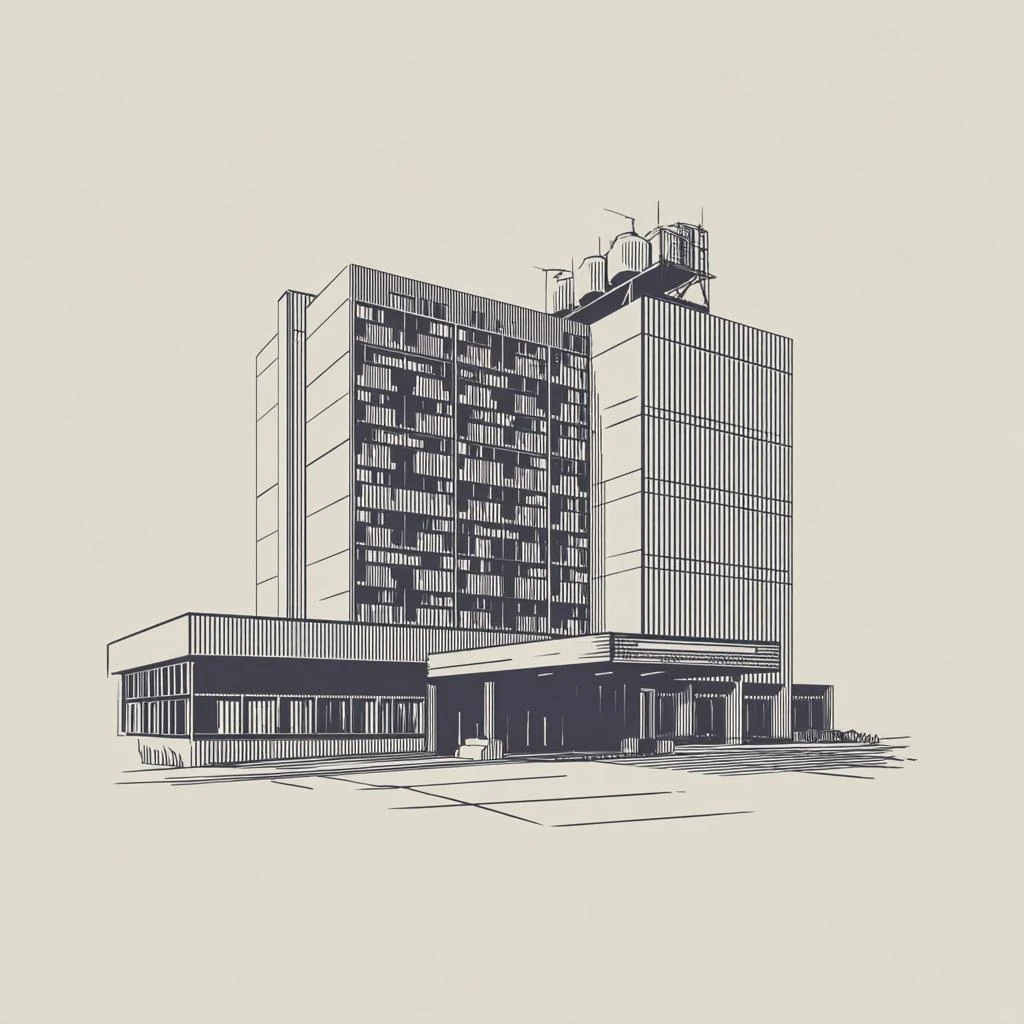
Hotels and restaurants
kitchen equipment, climate control, elevators, laundry
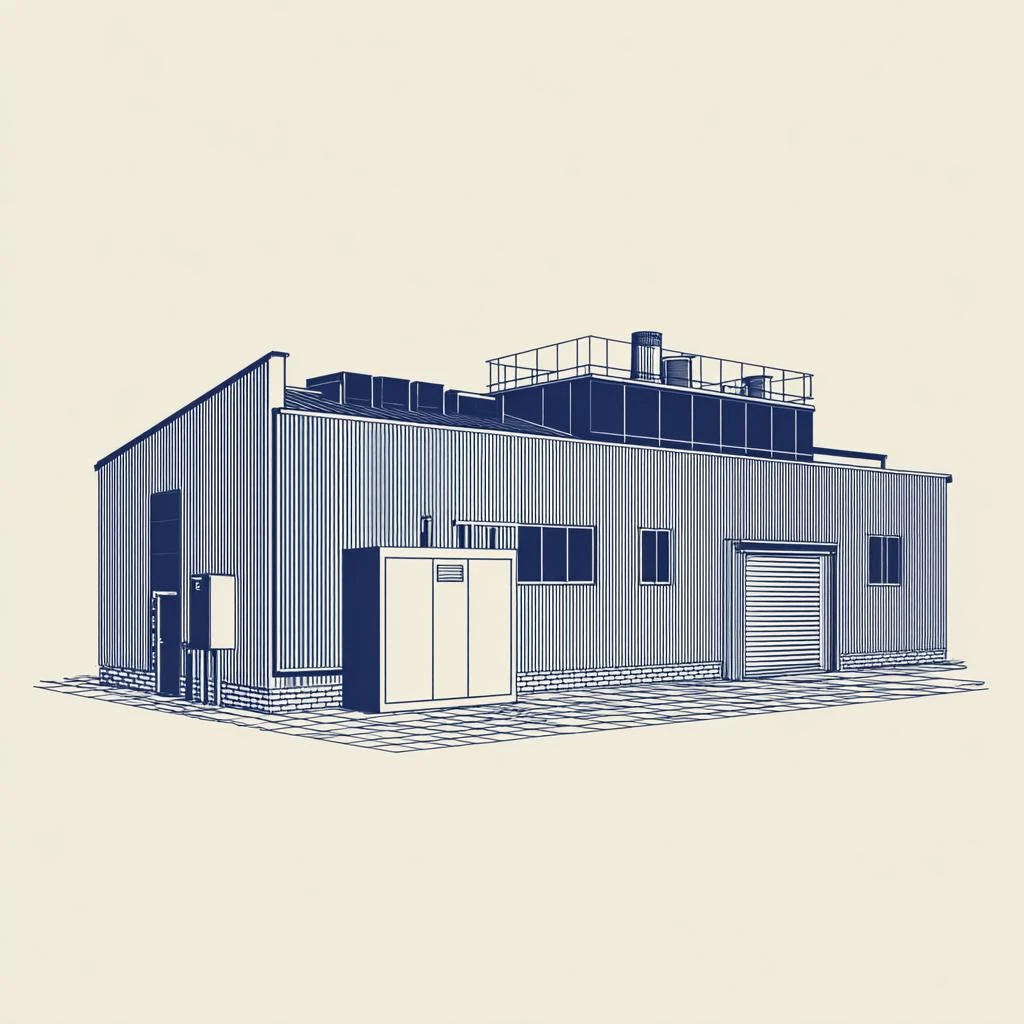
Production sites
compressors, ventilation, lighting, pumps
While the ticket looks for a technician, the outlet isn't making money
Everything at the site has to run without stopping: the fuel dispenser at the highway stop, the oven during the rush, the refrigerator holding stock, the register at checkout. One unit fails, and the site or part of it stops, sending revenue to the competitor across the street.
A ticket from the outlet sounds simple: the fridge broke. What exactly broke, which model, what to bring along, who to send — gets figured out on the way. The technician arrives, takes a look, and leaves to get the part.
The head of the technical service runs a hundred such outlets at once. They need to know where which equipment is, who's on the road, whether they made it, whether the contract deadline was met. The outlet won't report a missed deadline — they just wait and make do.
A system built on chats, calls and memory works fine right up until there are more outlets than a manager can hold in their head. After that, timelines stretch, repeat visits pile up, and the same piece of equipment gets billed twice. And some breakdowns simply can't wait — at that point it's no longer about revenue, but about people's safety and regulatory requirements.
ETRY will be useful for you if:
There are more than twenty sites, and the technical service no longer keeps track of what equipment stands where
Breakdown tickets arrive by messenger, by phone call, or not at all
Contractors carry out part of the work, and no one tracks contract deadlines
When equipment fails, it is unclear whether repairing it further or replacing it costs less
Regulators need proof that scheduled maintenance was carried out on time
If your equipment is concentrated on a single site, or you run your own service company that serves external clients, take a look at Equipmetry Station.
What ETRY does and how the solution is built
The system closes the entire loop: from equipment records to closing documents. Every step takes less time than a chat thread would, and stays under control.
Equipment records
Every unit gets a passport and a tag. You know what's installed at each location, its condition, and what has happened to it before.
Tickets and field service
A ticket is opened from the location in a minute and routed to the right technician. You can see who accepted it, when they left, and whether they made the deadline.
Technicians and SLAs
Your own technicians, outsourced contractors, or vetted providers from the DATAROCKS network. Contract deadlines are tracked automatically.
Documents and settlements
Certificates, invoices and closing documents are generated in the system. Every ticket can be checked by finance and security.
The chain, the service company and the technician work in one space and see the same data.
One unit, one passport
What's in the passport
Every piece of equipment gets a passport: model, specifications, serial number, commissioning date, warranty, and the owning company's records.
Technical location
The passport is tied to a technical location — a specific spot at a specific site. The location keeps its history even after the equipment is removed or written off. You can see what stood there before and why the unit was replaced.
Unit history
From there, everything accumulates against the passport: tickets, repairs, replaced parts, planned maintenance, inspections, costs. By the time a replacement decision comes up, the answer is already assembled.
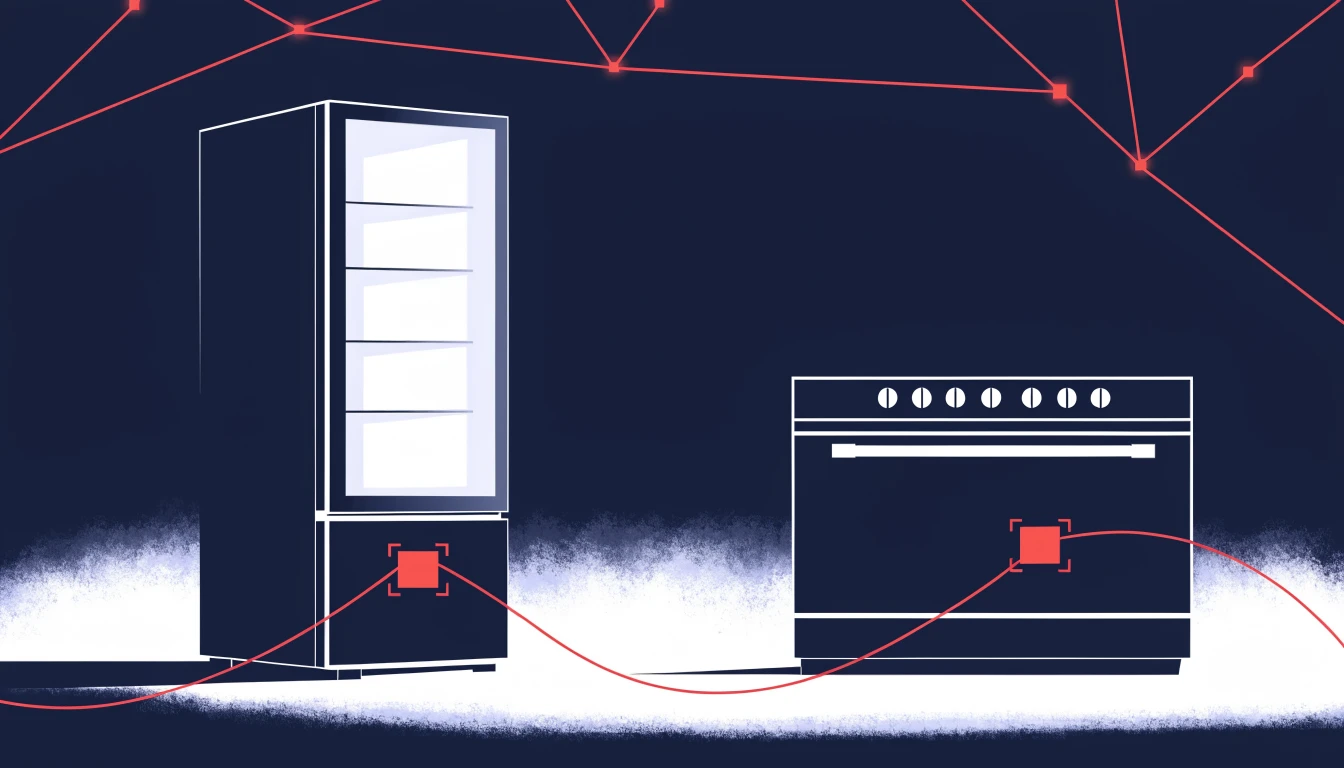
The tag on the equipment
Every unit gets a machine-readable tag: a QR code or barcode. Everyone who works with the equipment scans it, and each person sees what matches their role.
A site employee opens a ticket right from the tag, and the system already knows which equipment it is and where it stands.
The technician scans the same tag on site, which confirms they were at that unit.
The manager sees the full maintenance history through the tag.
Thousands of equipment units get digitized in days
The main difficulty in launching any maintenance system is onboarding the equipment. Walking forty sites, writing down models and serial numbers, finding specifications for every unit. That's usually where it all stalls.

ETRY has a dedicated digitization workspace. An employee photographs the nameplate on the equipment, AI recognizes the data and assembles the passport: manufacturer, model, serial number, technical specifications. All that's left is to check and confirm.
The scenarios work by choice. You can enter data manually, upload a list from a spreadsheet, or take photos. A single chain usually uses all three at once: standard equipment is onboarded by list, rare equipment — by photo.
Digitization runs alongside regular work. Sites connect one after another, and the first tickets are already being accepted while the rest are still being described.
The ticket's path from breakdown to closed documents
Every ticket follows one route. The content changes, the order of steps stays the same.
Ticket from the site
The employee scans the tag on the equipment and describes what happened. The system already knows which unit it is, where it stands, and what has happened to it before. A photo can be attached.
Routing
The ticket goes to the right technician: your own, a contractor under agreement, or a provider from the DATAROCKS network. Equipment type, location and workload are taken into account.
Dispatch and deadline control
You can see who accepted the ticket, when they left and arrived. The contract deadline is tracked automatically, and a breach is flagged before the site even reports it.
On-site work
The technician scans the tag on the equipment, confirming they are at that unit. They record what was done, which parts were replaced, and attach photos.
Acceptance
The site confirms the equipment is working. The ticket closes only after confirmation.
Documents
The certificate and invoice are generated from the closed ticket. The client and the provider work in a shared environment and see the same data. Finance and security can pull up any ticket and see it in full: who accepted it, when they left, what was done, what confirms it, and how much it cost.
Whoever takes the ticket, the rules are the same
The chain decides for itself who services its equipment. Every option works in one loop: the same deadlines, the same on-site confirmation, the same closing documents.
The in-house service receives tickets, logs dispatch, and closes jobs in the system. You can see each technician's workload, how many tickets they take per shift, and which equipment types they handle faster than the rest.
What the system shows
- Workload per technician
- Average ticket closure time
- Equipment types within competency
Contract terms are entered into the system: response time, resolution time, rates by work type. Deadlines are tracked automatically, and a breach is flagged before the site even reports it. By settlement time, it's already known what was done on time and what wasn't.
What the system shows
- Contract response time and resolution time
- Deadline compliance rate for the period
- Amount due for closed tickets
The chain opens sites in a city where there are no contractors and no time to find one. The ticket goes to a vetted provider from our network, selected by competencies and proven experience with specific equipment types. A new city connects without a search and without a contracting delay.
What the system shows
- Available providers by city and equipment type
- Verified competencies and work history
- Ratings for completed tickets
Planned maintenance and inspections
Tickets close what has already happened. Planned maintenance reduces how often that happens.
Planned maintenance
A schedule is set for each equipment type: what to do and how often. The system puts the work on the calendar itself and reminds about the deadline. Completion is logged the same way as a regular ticket, by scanning the tag on site.
Site inspections
A checklist walkthrough: what to check, what to photograph, what to flag. Results stay in the system, and they show which sites' equipment condition deteriorates earlier than the rest.
History as evidence
Failure statistics accumulate for every unit. It becomes clear which equipment breaks down more than it should, and what's cheaper to replace than to keep repairing.
What changes in the numbers
The range depends on how maintenance is set up today.
Indirect impact
Transparent settlements with contractors
Every paid job is confirmed by an on-site scan and closed documents.
Equipment replacement decisions
A unit's failure history shows when further repairs cost more than replacement.
Provider accountability
Deadlines and quality of work are measurable, so the conversation with a contractor runs on data.
Manageable as the chain grows
New sites join the same loop without adding load to the technical service.
Who runs on ETRY
Fast-food chains with distributed retail locations: a unified equipment registry, planned maintenance, tickets and inspections across every site.
Fast-food chain
A unified registry, planned maintenance instead of emergency calls, control over providers and deadlines
Salam Bro · Doner na Abaya · Burger na Abaya · Just Doner
Servicing four brands in one system: maintenance, tickets, inspections, equipment history
How the rollout works
Implementation follows six steps across three phases: a survey of the chain and its current maintenance practices, configuring maintenance schedules, ticket routing and contractor agreement terms, and launch with on-site staff training.
Equipment is documented in parallel with regular work. The first sites start accepting tickets while the rest are still being described. Tags are printed and applied to the equipment during the walkthrough.
See ETRY in action
Get in touch and tell us about your chain. We will discuss how we can help and show you the system live.